The problem
The information work needs sits in documents, databases and applications. The team searches for it and retypes it instead of using it.
What you get
- An AI model connected to the data and software you already use.
- Access only to the data and actions a task needs.
- An action history and an evaluation of results after every change.
- Running in the cloud or on your own servers.
not included
Hardware: servers come from your suppliers or our partners. We are responsible for the AI software and processes.
How it works
We bring the connections between systems into one schema; data flows through the AI model to the team.
How we start
- 30 minutesA call about one taskWe agree on the task, the data and how we will know it worked.
- a few weeksA prototype on your dataA first working version tests the risky assumptions.
- decisionWe go on or we stopAfter the prototype you know whether it pays off, before you spend more.
- set after the prototypeIntegration and daily useWe connect the system to your tools and look after it in daily work.
What it costs
In my team, takes the most time: a week, each, and gets done twice. Our data sits in , .
How many datasets a week?type or drag
1a year 1,104 h500
0.6 full-time jobs24 h every weeka full-time job is 40 h over 46 weeks
We only add up what you enter. We send a quote for a pilot by email.
Ask for a quote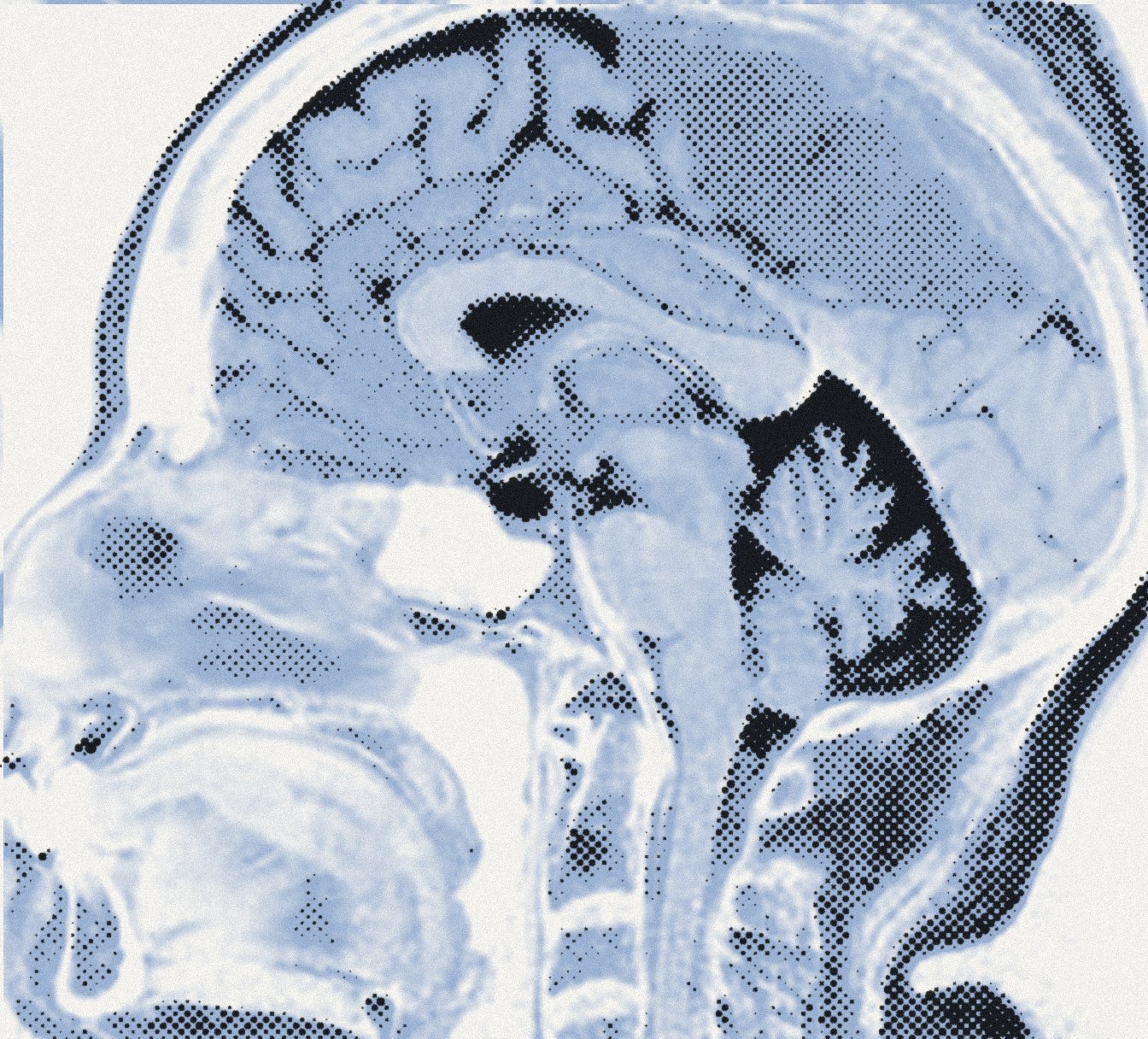
case
Imaging
- context
- Research teams need imaging data for their work.
- challenge
- Large collections of medical images in which sensitive information must be protected.
- solution
- One platform for finding, selecting and ordering imaging data.
- effect
- 20 million imaging series processed (September 2026).